

The 10 most annoying computer cables of all time - chamberlinevir1986
The technical school-obsessed Net had a big jest at the expense of the USB Implementers Forum in March, when the organization announced a new USB-C naming scheme that made the initialize more confusing than information technology already was.
Sure, yuck it rising, folks. But you know what's tied more annoying than a bunch of connection formats that are all named "USB 3.2?" A bunch of terribly intentional cables that all serve a contrary purpose, each with their personal ways of annoying you on a frequent basis. USB-C certainly has its problems, but the old ways of connecting our PCs, phones, peripherals, speakers, and hard-fought drives were much worse.
The sputter is real: We all have bequest devices we still neediness to keep around—that's wherefore we tested whatever of the best USB-C hubs available. But there are some cables we'll never leave out. This is our leaning of the most annoying of all time.
Postscript/2
What it did: Well-connected mice and keyboards to background PCs ahead the advent of USB. (Pictured above.)
Vexatious characteristics: PS/2's circular arrangement of thin pins were forever at risk of bending away of shape if you didn't insert them at meet the quadrant. The connector's flat end was hypothetical to point you in the rightfulness counseling, only only if you remembered if it was supposed to face up surgery land. Inevitably, you'd have to peer behind your desktop tower, flashlight in hand, exactly to be sure.
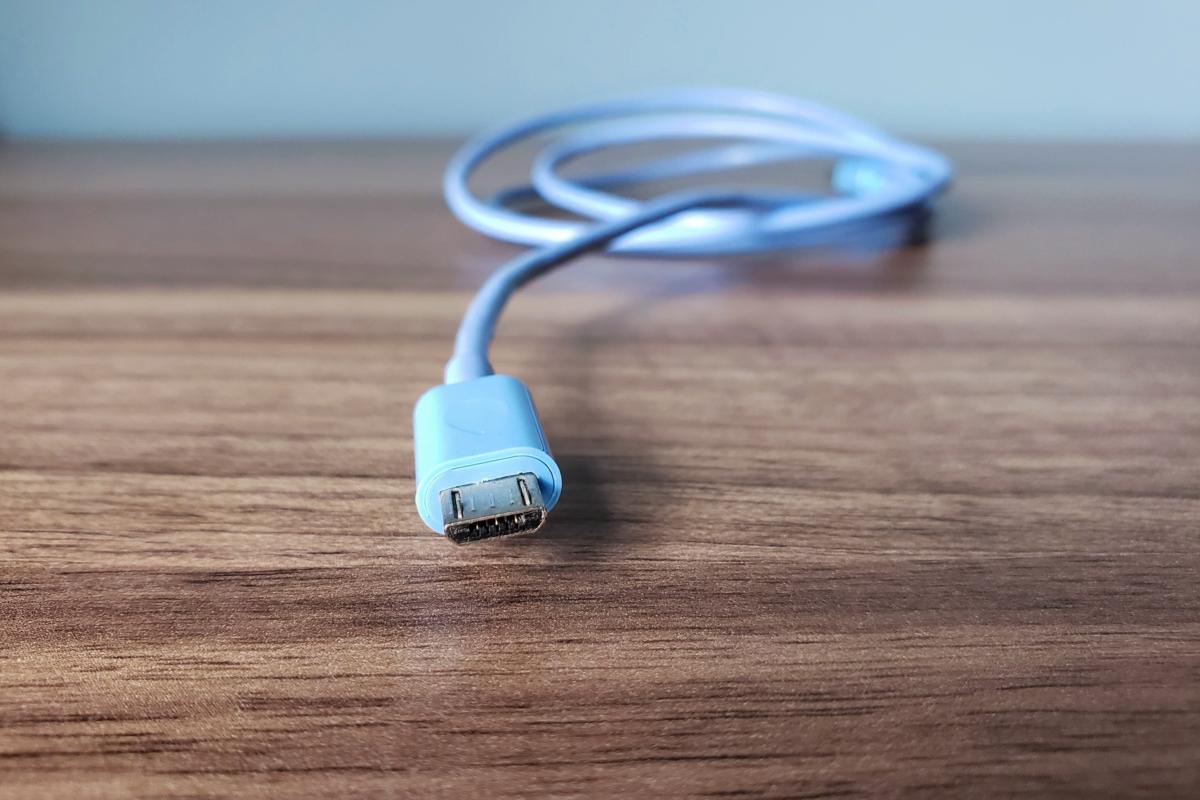
Micro-USB
 Jared Newman / PCWorld
 What it does: Charges phones and connects certain peripherals, so much American Samoa game controllers and keyboards, to PCs and other devices.
Annoying characteristics: Micro-USB is a handy cablegram to have, simply its small size and non-reversible design is a frequent source of frustration, especially in situations where you can't eyeball the larboard. (I possess a mechanical keyboard that uses Micro-USB, and for any reason it seems to hate being plugged in.) The connection itself can also get loose over clock time, rendering your cable (or, even worse, your device) incompetent of charging.
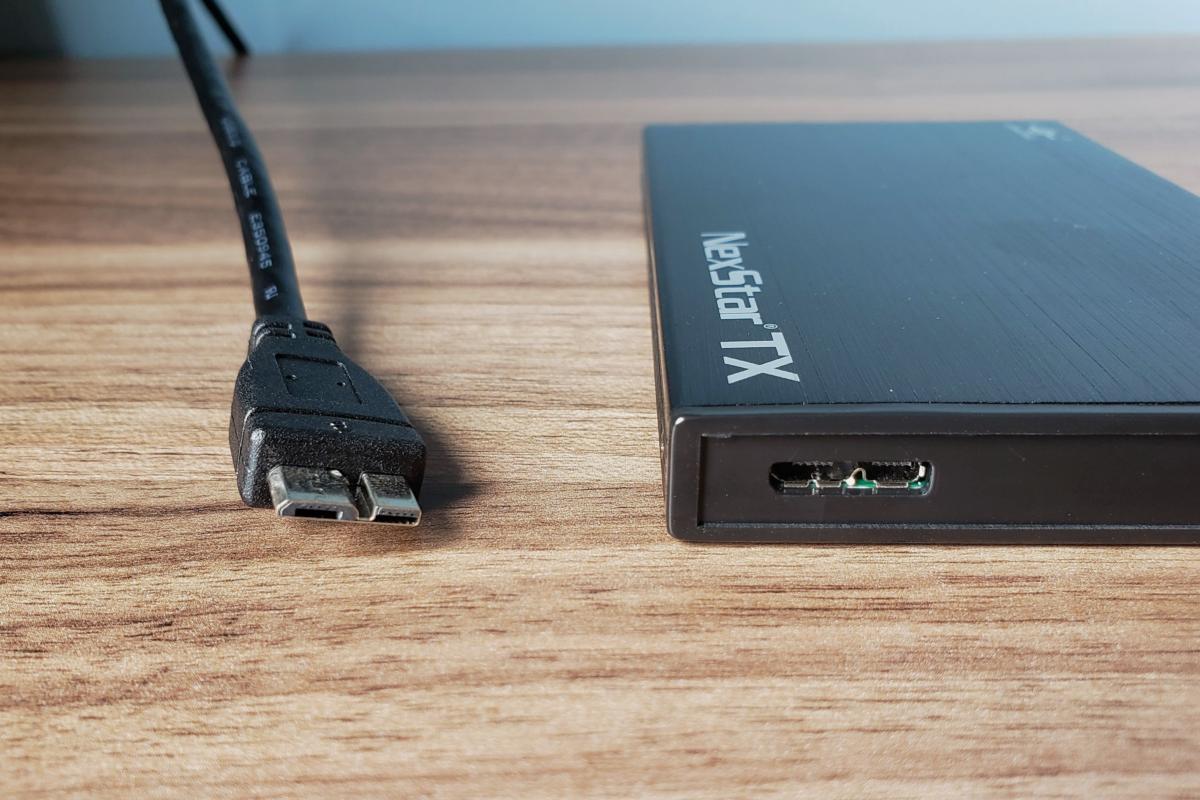
Micro-USB 3.0
 Jared Newman / PCWorld
 What it does: Primarily connects external hard drives to PCs at faster speeds than USB 2.0, and provides quicker charge times for mobile devices.
Annoying characteristics: Little-USB 3.0 had its heart in the right rate, extending the benefits of "SuperSpeed" USB to portable hard drives and wandering devices. However, most phone makers never daunted to make room for the cable system's sidecar connection. (The one noted exception was Samsung, which briefly dabbled in Micro-USB 3.0 on the Galaxy Note 3 and S5 before reverting back to 2.0.) While the port itself is backward-compatible with Small-USB 2.0 cables, you'll probably flavor at least a trifle self-conscious almost going the quicker cable behind.
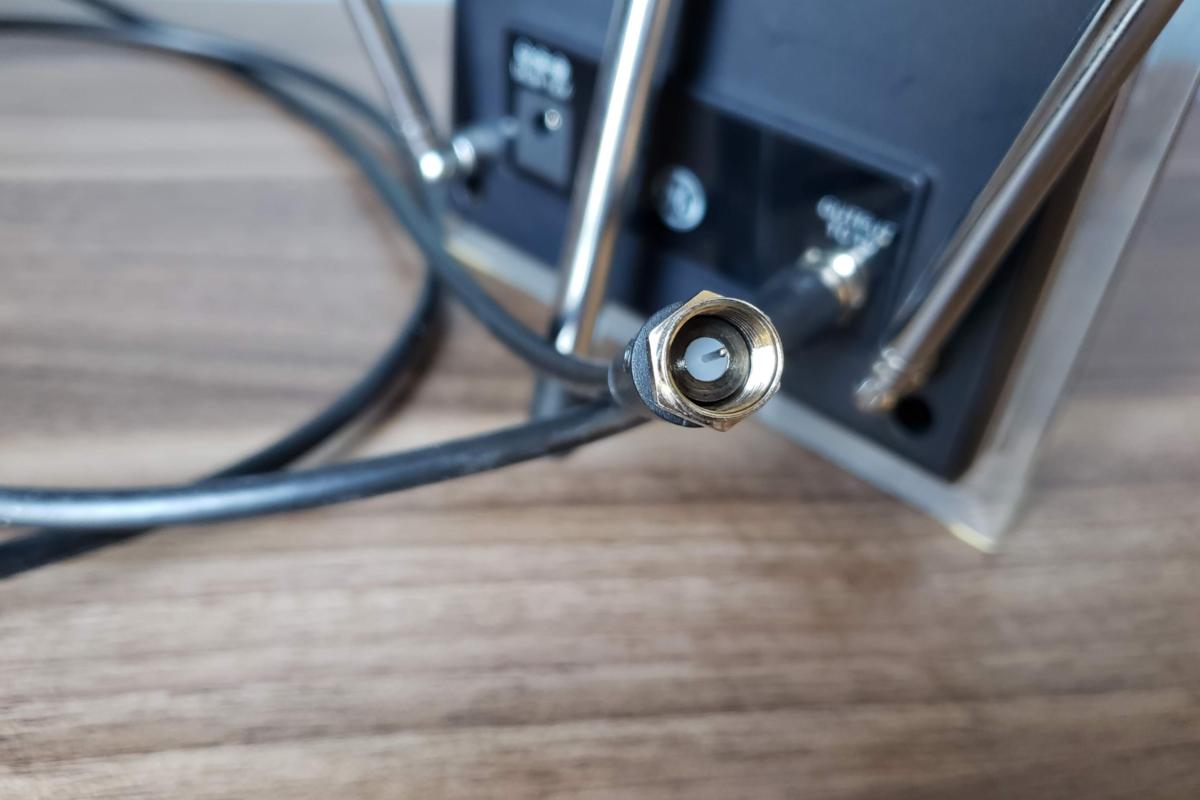
Coaxial cable
 Jared Newman / PCWorld
 What it does: Connects over-the-air antennas to televisions (operating theater PC TV tuners), and connects cable hookups to modems and set-top boxes.
Annoying characteristics: Atomic number 3 a rule of thumb, any overseas telegram that has to be screwed in is offensive. But unlike, say, a VGA cable, which at to the lowest degree stays in place before you start twisting screws, cajole cables are a ii-hand job, requiring you to cargo area the cable in place while torture the outer segment. Factor in the extreme rigidness of most coax cables and an alarmingly pliant connective pin, and you have a perfect violent storm of nuisances.
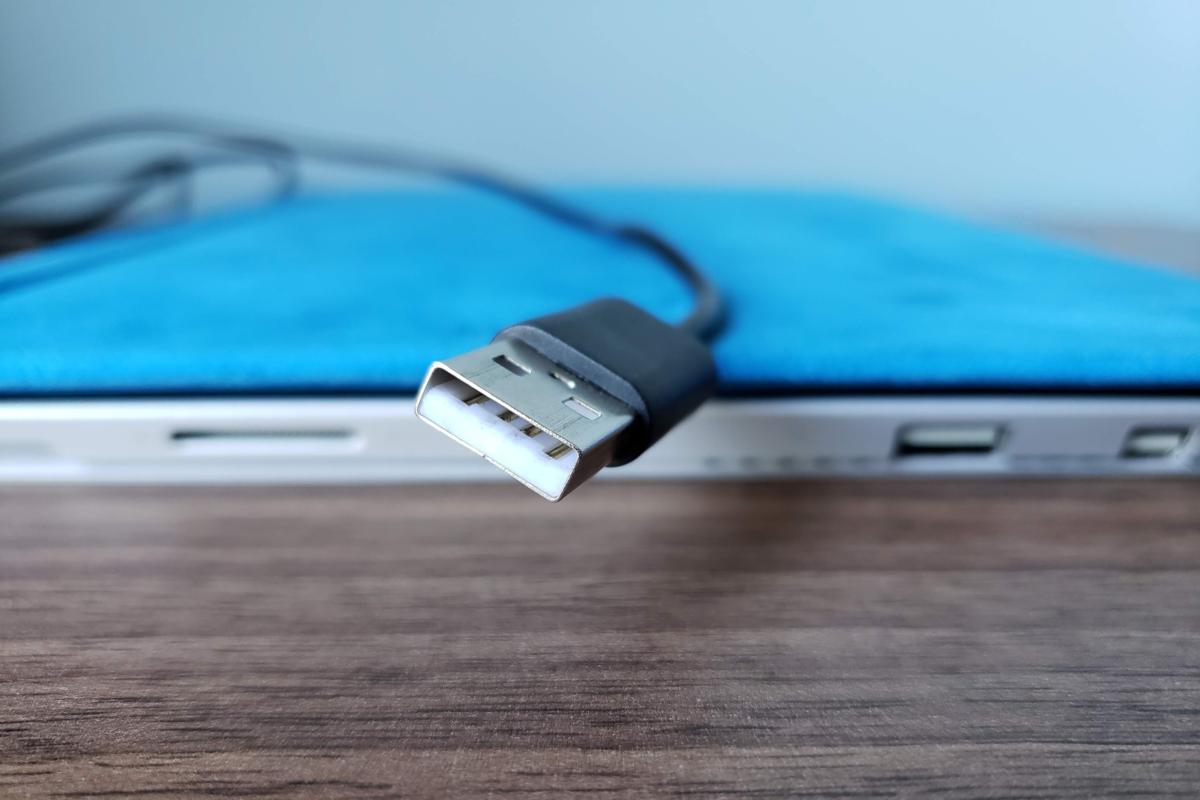
USB Type-A
 Jared Paul Leonard Newman / PCWorld
 What it does: Connects mice, keyboards, store drives, controllers, and other peripherals to PCs, gamey consoles, flowing boxes, and more.
Annoying characteristic: Its usefulness and ubiquity are not in difference of opinion. Merely: You'Ra never going to insert IT the right path along the first-class honours degree endeavour. You might not even get it justly on the secondment try.
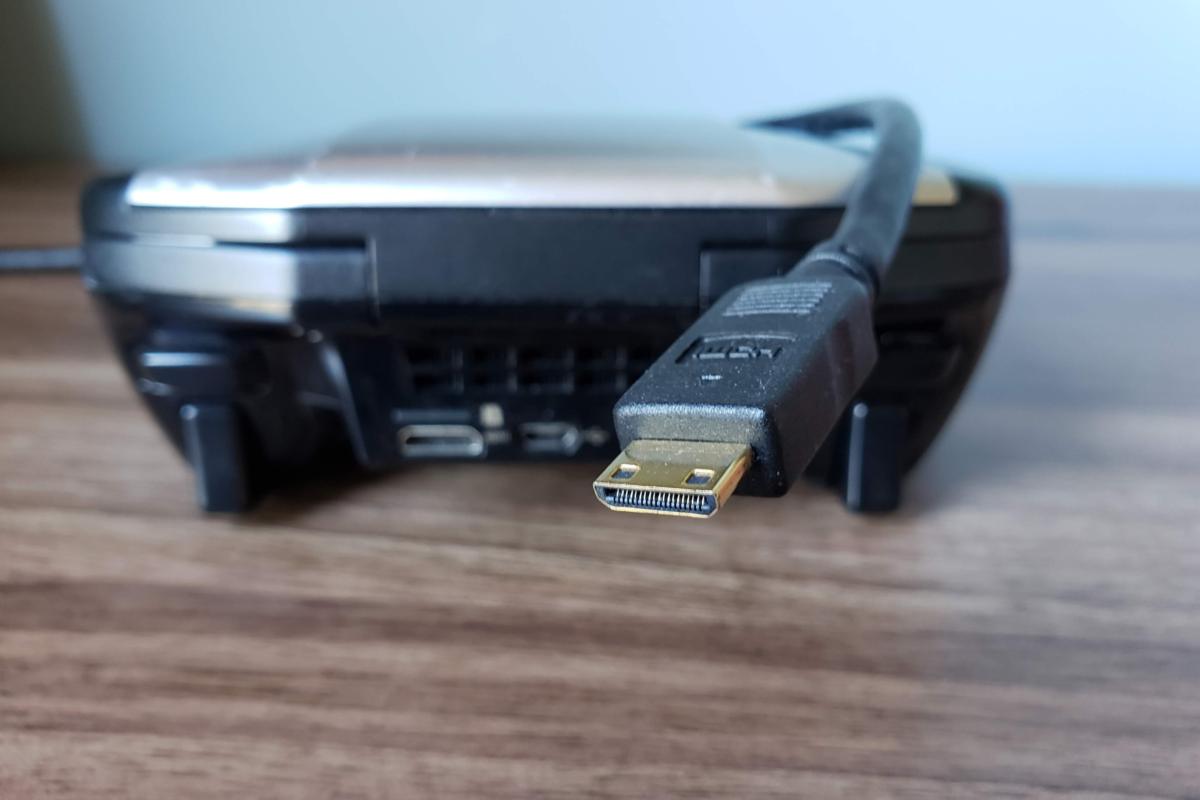
Mini-HDMI
 Jared Newman / PCWorld
 What it does: Outputs video from portable devices—cameras, especially—to televisions or monitors.
Annoying characteristic: In that respect's nothing especially troublesome about the conception of Mini-HDMI, but the big majority of portable devices don't use information technology, which means it's all the more irritation when you come across a device that does. Precedent: I formerly bought a Mini-HDMI cable for my Nvidia Shield Portable gaming system, used IT to link up with my TV in one case Beaver State doubly, past never put-upon it over again. (Micro-HDMI isn't much better for the same reason, but at to the lowest degree it's smaller.)
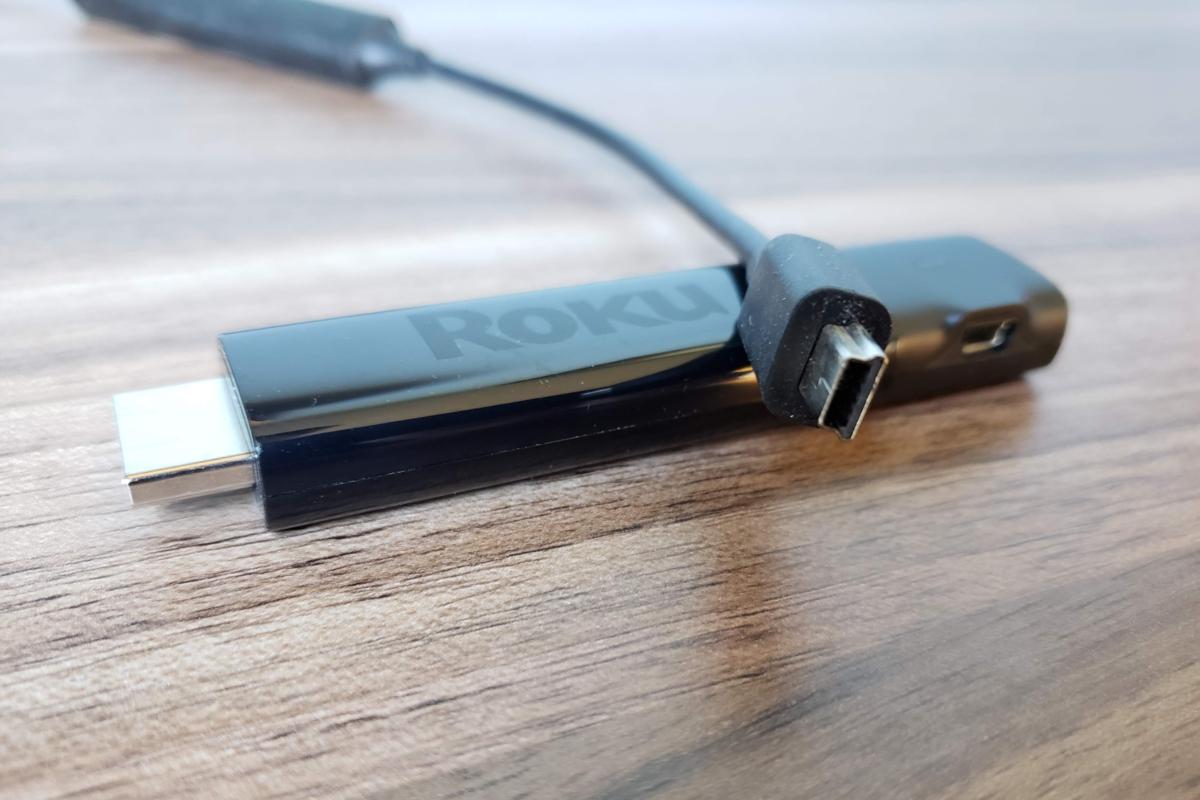
Mini-USB
 Jared Newman / PCWorld
 What IT does: Charges certain peripherals, such Eastern Samoa cameras and media players, and connects them to PCs.
Annoying characteristic: Fun fact: The only if reason Roku's Streaming Stick+ uses Miniskirt-USB for power is because its Wisconsin-Fi antennas are built into the power cord, and Roku figured fewer people would try to connect their own cables if it avoided the more common Micro-USB. Digression from that unusual circumstance, there's no reason out to keep merchant marine devices with Mini-USB today. Notwithstandin somehow I continue to amass gage controllers, keyboards, and another haphazard gadgets (howdy, LeapReader) that haven't upgraded from the format. Put differently, Mini-USB is annoying simply because information technology refuses to go.
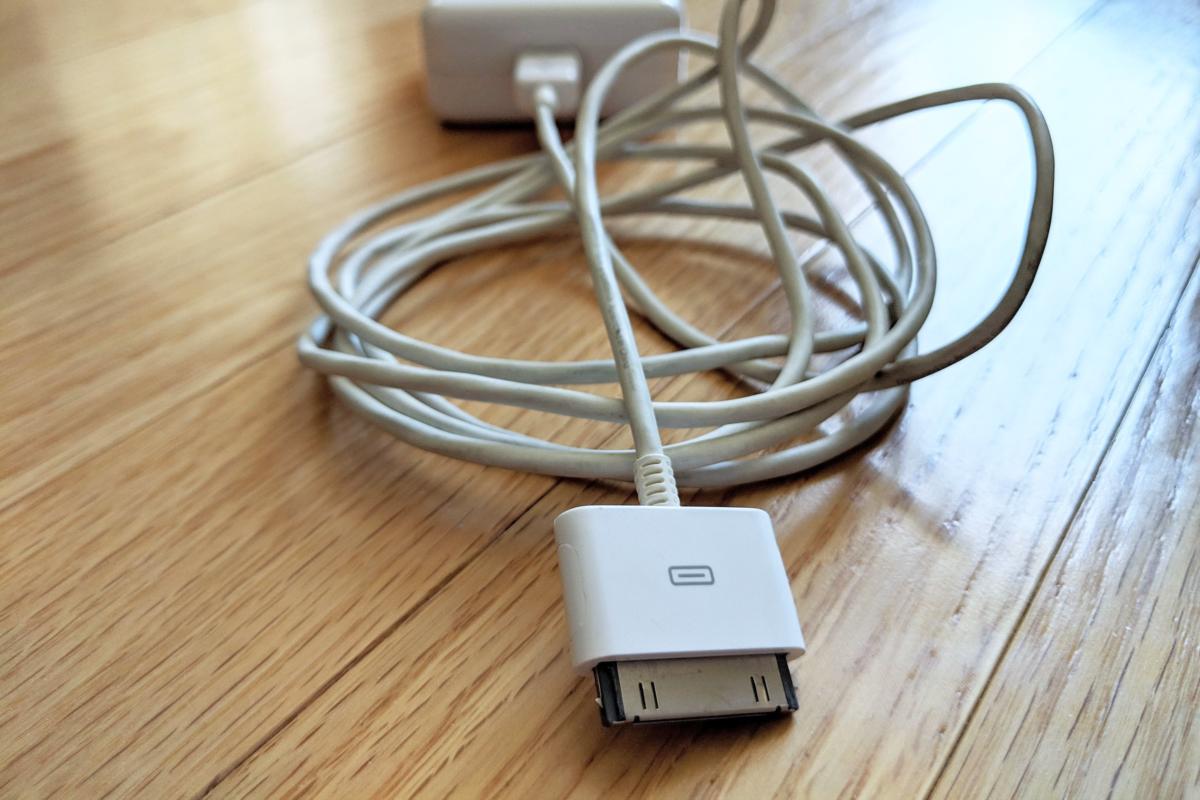
Orchard apple tree 30-Pin
 Alaina Yee / PCWorld
 What information technology did: Charged iPods, iPhones, and iPads, and connected Apple devices to various accessories.
Annoying characteristics: Although Apple's 30-pin cablegram packed a lot of capabilities, it was also kind of a pain to use, with a non-reversible design and a latching mechanism that made you squeeze both ends of the cable while removing information technology. Thankfully, Apple wised up and abandoned the door latch system in later versions of the 30-fall cable—sporting before replacing the entire format with Lightning.
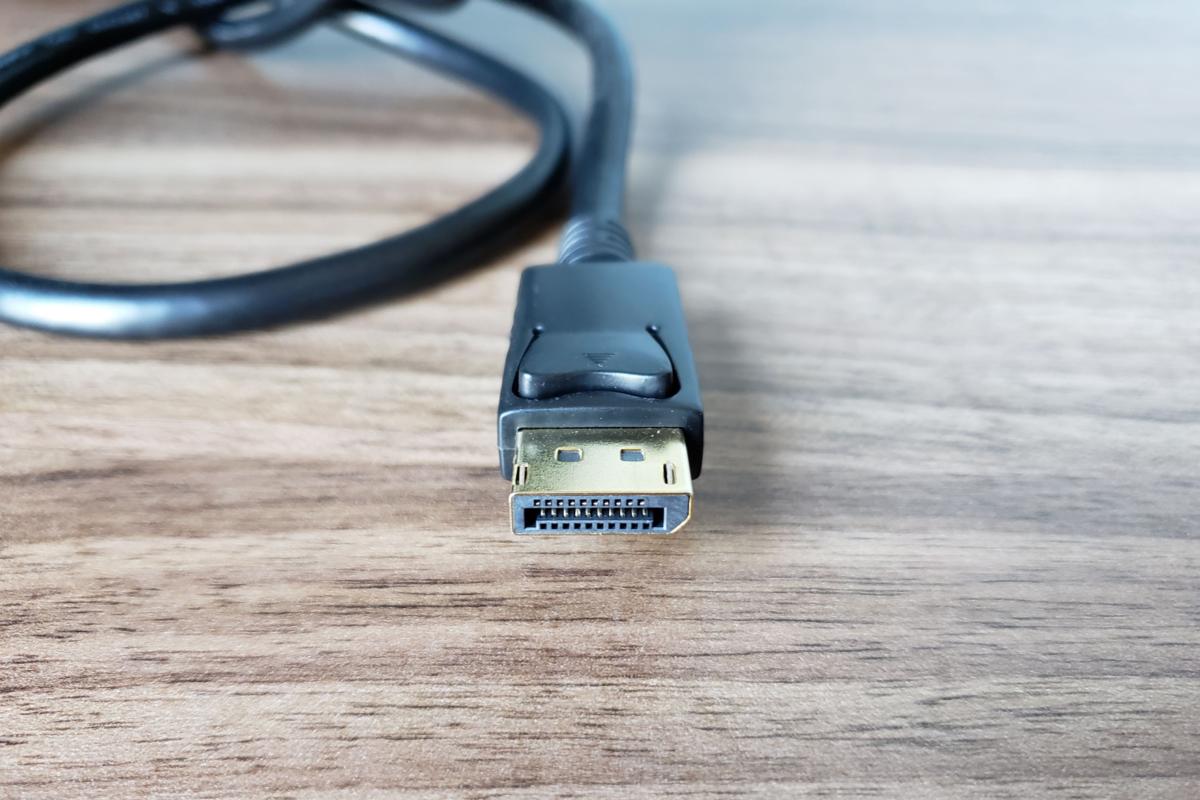
DisplayPort
 Jared Newman / PCWorld
 What information technology does: Connects PCs to foreign monitors.
Annoying characteristics: There's no cable to a lesser extent satisfying than one you have to squeeze to unplug. (See: Malus pumila's sure-enough 30-pin connector.) Yet DisplayPort takes that feeling and makes it worse, emitting nary discernible click when you plug the overseas telegram in, and offer no distinct indication that you've squeezed nasty plenty to hit it safely. The result is an inapt combination of pressing and pulling, along with an ever so-present fear that you'rhenium all but to break something. Somehow flatbottomed VGA and DVI feel inferior annoying.
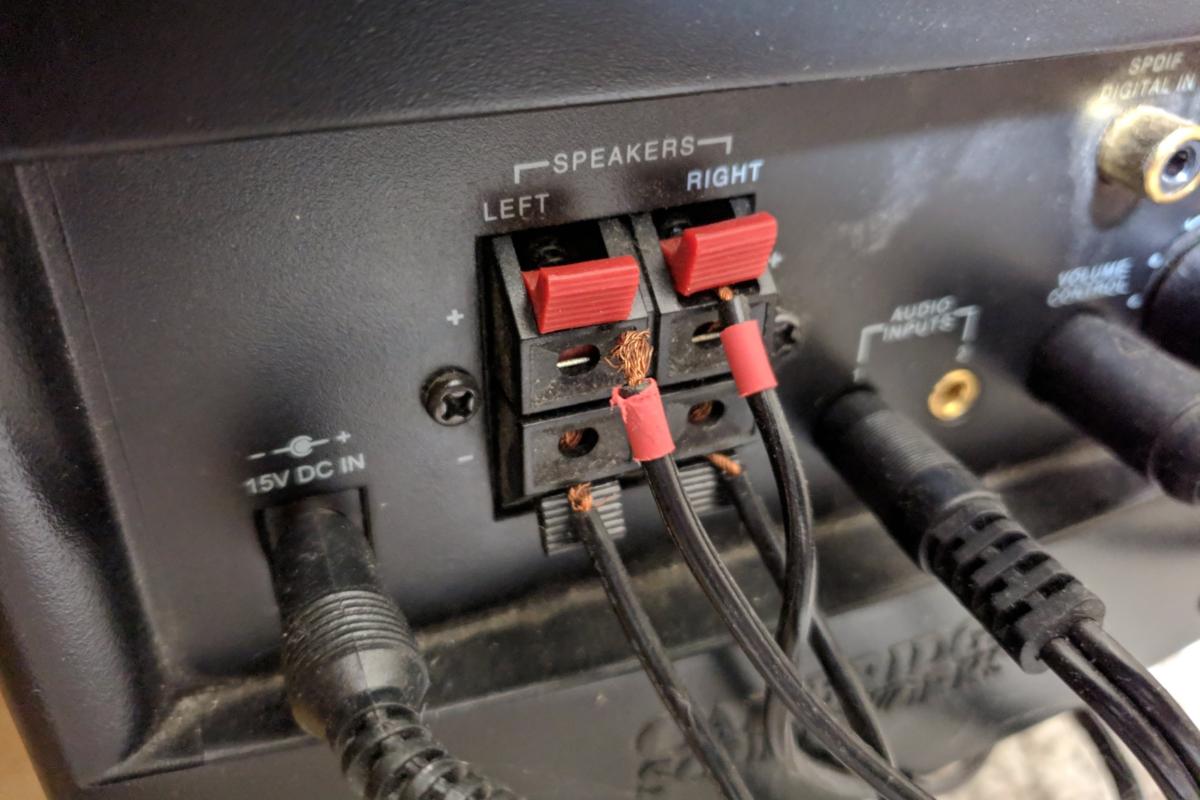
Meager talker wire
 Jared Newman / PCWorld
 What it does: Connects unpowered speakers to Microcomputer subwoofers operating theatre A/V systems.
Annoying characteristics: Bare speaker wire is the anti-cable, eschewing your puny plugs and ports and instead requiring you to strip away both insulation and handle exposed wiring with your callused fingers. Once doesn't simply connect bald speaker cable. Instead, you merely suggest that a connexion be biform 'tween the conducting wire and terminal—peradventur with some pinchers or screws if you're lucky—and pray that everything works when you powerfulness the system on.
A better way
Compared to all these old cables and connections, having a single, changeable cable that handles charging, data transfer, input devices, and audiovisual output doesn't seem so no-good. That might explain why even Apple has started to embrace USB-C as the ultimate connector, including it connected its latest iPad Pros at the expense of its proprietary Lightning connector. The faster we're done with needing a rat's nestle of cables to tie in our devices, the better.

Source: https://www.pcworld.com/article/403417/the-10-most-annoying-computer-cables-of-all-time.html
Posted by: chamberlinevir1986.blogspot.com
0 Response to "The 10 most annoying computer cables of all time - chamberlinevir1986"
Post a Comment